
Expert Insights: Innovations in Sustainable Construction


Introduction to Sustainable Construction
Sustainable construction has become a critical focus in the building industry as environmental concerns grow. By integrating eco-friendly practices, the construction sector aims to reduce its carbon footprint and promote energy efficiency. In this article, we explore the latest innovations driving this transformation.
Embracing sustainable construction not only benefits the environment but also enhances the quality of life for communities. It involves using renewable resources, reducing waste, and promoting the efficient use of energy. Let's delve into some of the groundbreaking advancements in this field.
Green Building Materials
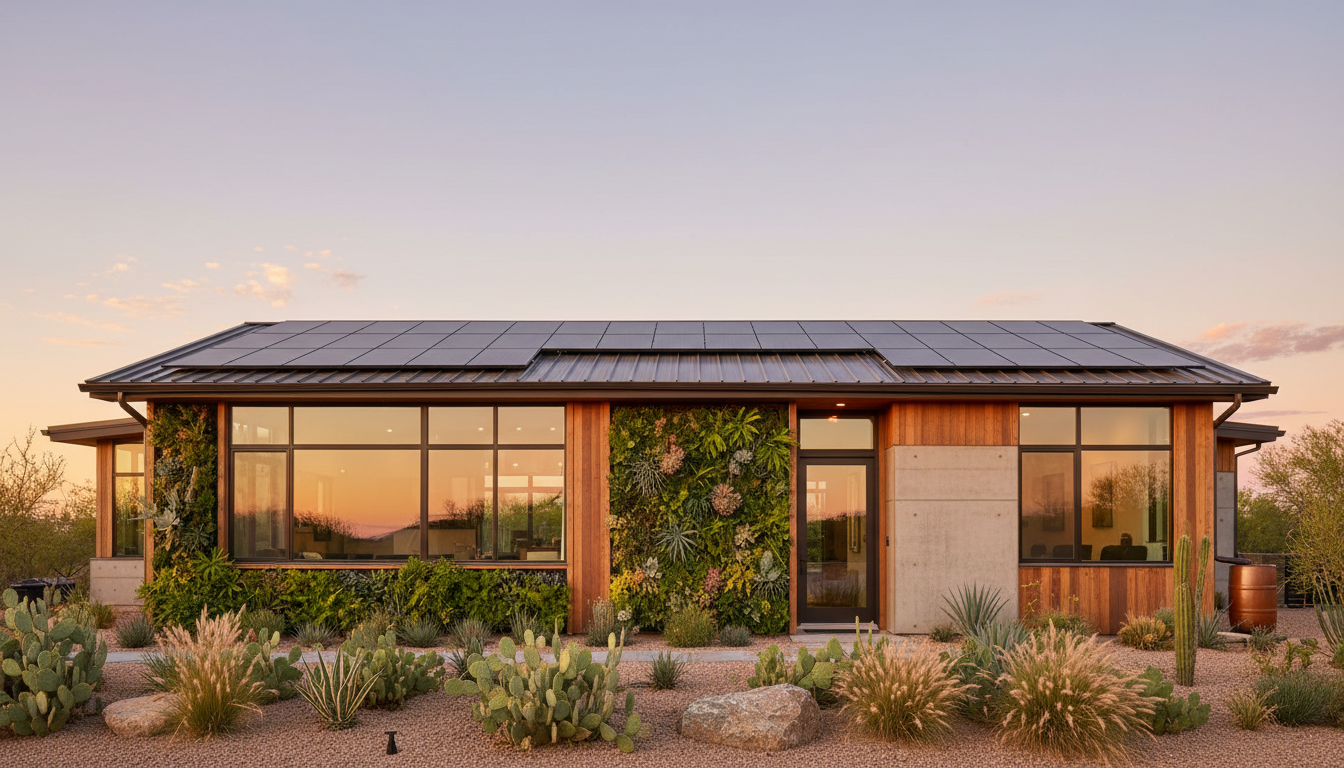
One of the core elements of sustainable construction is the use of green building materials. These materials are designed to be environmentally responsible and resource-efficient throughout their life cycle. Some popular options include bamboo, recycled steel, and reclaimed wood.
Bamboo, for instance, is gaining popularity due to its rapid growth and strength. It serves as a sustainable alternative to traditional wood, offering a lower environmental impact. Recycled steel is another innovative material, reducing the need for energy-intensive production processes.

Revolutionizing Construction with Smart Technology
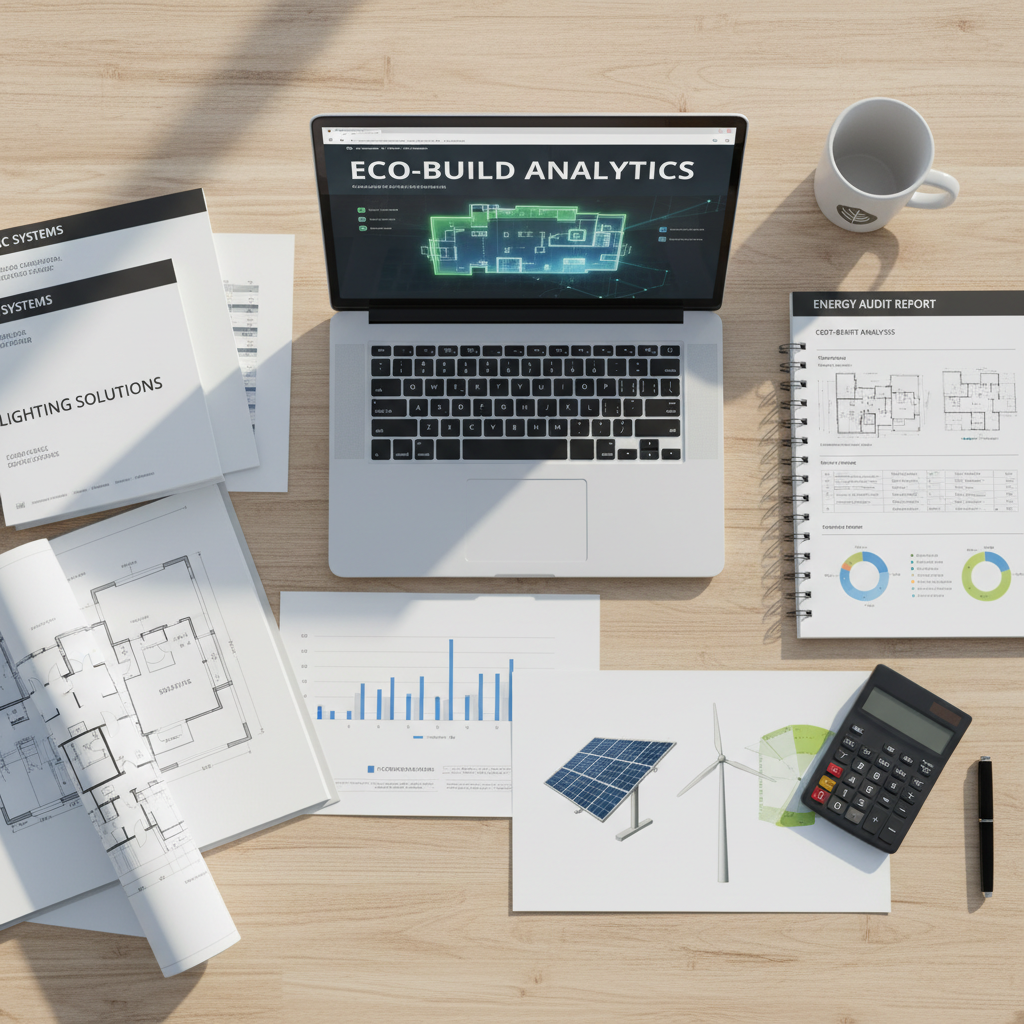
Technology plays a pivotal role in advancing sustainable construction. Smart building systems that optimize energy use are becoming increasingly prevalent. These systems can monitor and adjust heating, cooling, and lighting to minimize energy consumption.
Moreover, the use of Building Information Modeling (BIM) allows for better planning and reduced waste. By providing detailed digital representations of buildings, BIM helps architects and engineers make informed decisions throughout the construction process.

Energy-Efficient Building Designs
Innovative design strategies are essential for creating energy-efficient buildings. Passive solar design, for example, maximizes the use of natural sunlight and reduces the need for artificial lighting. This approach not only cuts energy costs but also enhances the indoor environment.
Additionally, incorporating green roofs and walls can significantly improve a building's insulation. These features absorb rainwater, provide natural cooling, and contribute to biodiversity. They also create beautiful, natural spaces in urban environments.
The Role of Regulations and Certifications
Regulations and certifications play a crucial role in promoting sustainable construction practices. Standards like LEED (Leadership in Energy and Environmental Design) provide guidelines for designing eco-friendly buildings. Achieving certification demonstrates a commitment to sustainability and can enhance a company's reputation.
Governments and organizations worldwide are also implementing stricter regulations to enforce sustainable practices. These policies encourage the adoption of green technologies and sustainable materials, driving the industry toward a more eco-conscious future.
The Future of Sustainable Construction
The future of sustainable construction looks promising, with continuous innovations on the horizon. As technology advances, we can expect even more efficient building methods and materials. The integration of artificial intelligence and IoT devices will further enhance the capabilities of smart building systems.
Ultimately, the shift towards sustainable construction not only addresses environmental challenges but also offers economic benefits. By reducing energy consumption and waste, companies can lower operational costs and improve profitability.
In conclusion, the innovations in sustainable construction are paving the way for a greener, more sustainable future. As the industry continues to evolve, it remains crucial for stakeholders to embrace these changes and contribute to a healthier planet.